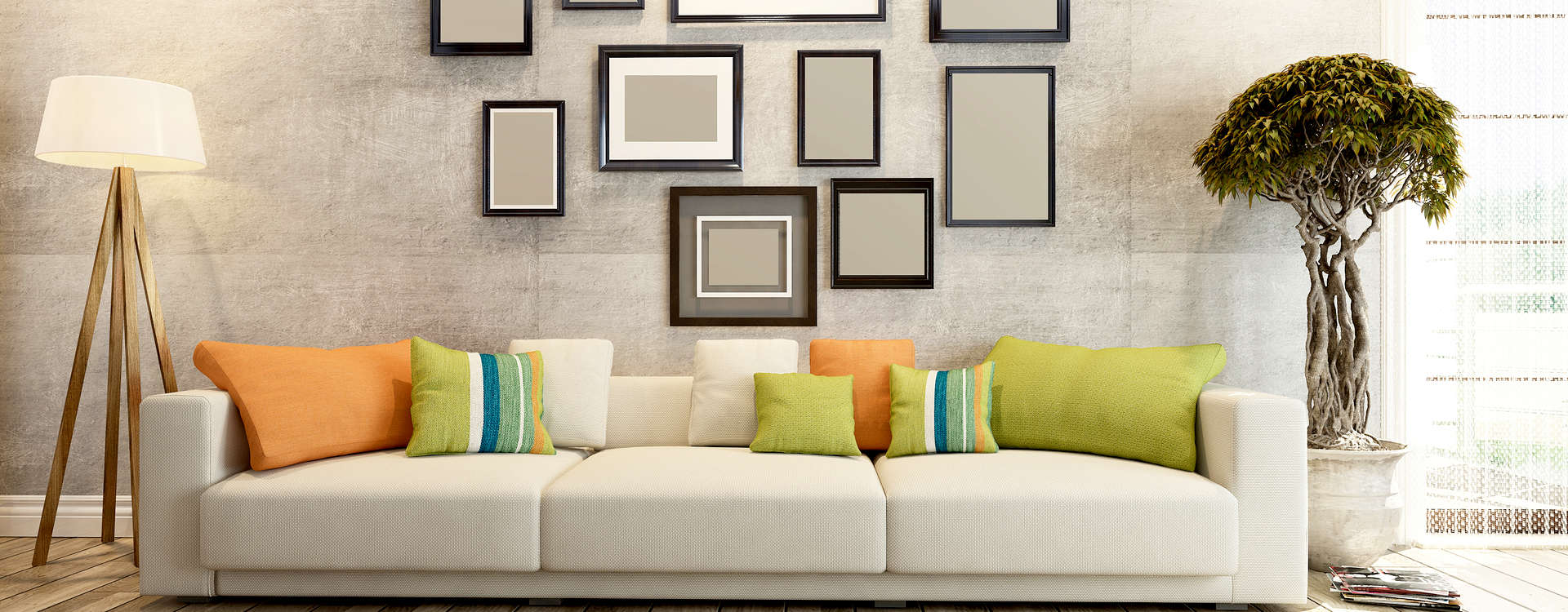
Interior design, situation and garden: what to choose and what not to
Choosing the right house for us is never an easy process. Therefore I thought to provide you with some interior and exterior related tips on what to look for in a home and what to preferably avoid too.
Nice-sized bright rooms
Rooms shouldn’t be too large or too small either. Too large rooms can look appealing but they are not when it comes to practicality, heating and furnishing. Let them have just the right size for you. As for the number of rooms always plan to have at least one extra room. If you plan to buy a 2-level house make sure there is at least one bathroom on each floor and also that the main bedroom has its own bathroom.
Practical layout
It must be easy to get to one room to the other. Without any unnecessary walls or rooms in-between. You will instantly realize how easy it is to get around a house during the first visit. If the house flow is just not right then rather decide on not buying (or haggling the price for extra wall cutting needs).
Storage space
This is often overlooked but a house or home has to have plenty of storage place, otherwise everything will get just cluttered and messy within a short time. Built in wardrobe areas are the best to go for.
Room to grow
Think about the future. Are you planning to have a baby or invite family or guests around? Also plan for the older age when you see those steep steps leading upstairs. These are Nr1 reasons of home accidents. Buy a house with a tendency to grow and re-create for your needs.
Indoor-outdoor ease
Buy a house where it’s easy to go outside and back inside. This will really help you to feel at home and just makes everything way easier when it comes to being outside in the garden.
Home situation – North facing vs. South Facing
This counts a lot. North facing houses are way darker and colder, so they need much more lighting and heating to maintain as the sun doesn’t naturally gets in. Make sure that the home is south or at the least East or West faced to get plenty of sun during the day.
Garden – too big or too small and maintenance
It’s great to have a garden if you are a gardener or if you have one to pay to maintain yours. But big gardens are a hassle to even keep in order. If you would like to have a garden keep it midsized and keep it simple. All in all if you like pool and gardens but simply have no time or money to take care of it, then rather live in a gated community where all these things are taken care of by certified gardeners and pool cleaners.
I hope I could help you with your choices with these tips in buying the perfect home for you.